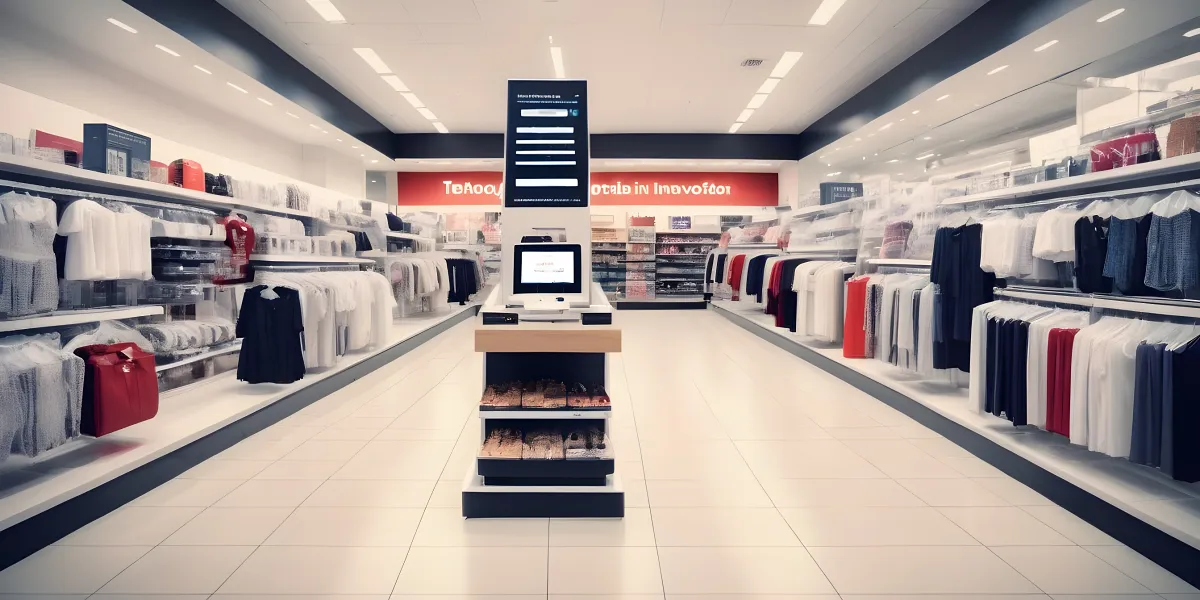
Retail Innovation in Malaysia: Where Stores Meet Omnichannel Shoppers
The retail innovation Malaysia’s shoppers actually reward is less about gadgets and more about joining things up: the shop floor, the online store, the stock count and the payment counter working as one system. A customer should be able to find a product on a phone, pay with a QR code, and collect or return it wherever suits them, without anyone behind the counter having to phone another branch.
The demand is there. Retail trade in Malaysia reached RM811.5 billion in 2025, a rise of 6.1 per cent, according to Department of Statistics Malaysia (DOSM) figures reported by The Star. Online grew faster still: DOSM’s online retail sales index for December 2025 was 8.9 per cent higher than a year earlier, ahead of retail trade as a whole that month, so the shop floor is sharing growth with the screen rather than losing it.
From gadgets to plumbing
A few years ago, retail innovation in Malaysia was usually pitched as a list of headline technologies: augmented reality (AR) fitting rooms, smart mirrors and cashierless checkouts. They make good demonstrations. For an SME with two outlets and a marketplace store, though, the harder problem is plainer: knowing what stock you have, where it sits, and who bought it.
That problem matters more when margins tighten. Retail Group Malaysia (RGM) kept its 4 per cent growth outlook for retail sales in 2026, but in March 2026 it warned that the Middle East conflict had brought rising energy prices, supply-chain disruption and higher logistics costs, The Star reported. RGM managing director Tan Hai Hsin told the paper that business owners would likely pass those extra costs on to consumers.
In a year like that, the innovations that pay are the ones that cut waste: less dead stock, fewer lost sales, a lower cost for every order you fulfil.
Omnichannel starts with one stock count
The idea behind omnichannel strategies is that every channel draws on the same customer, inventory and order data. Shopify’s guide to the approach lists synchronised online and in-store stock, in-store pickup for online orders and in-store returns for online purchases among its building blocks, in place of a separate team and a separate spreadsheet for each sales channel.
For a Malaysian SME, that usually comes down to three moves:
- One stock figure for every channel. If your outlet, website and marketplace stores on Shopee, Lazada or TikTok Shop each keep their own count, you will oversell on one and sit on dead stock in another.
- Buy online, collect in store. Pickup turns a delivery cost into a visit, and a visit is a chance to sell something else.
- Return anywhere. A shopper who knows a return is easy has one less reason to hesitate before ordering online.
The point-of-sale system is where this succeeds or fails, because it is the till, the stock ledger and often the loyalty database at once. Our guide to the features worth paying for in the best POS system in Malaysia is a sensible place to start before you sign a contract.
Data that answers a question
Stock and sales records are where artificial intelligence earns its place in a shop. Tools that apply AI for inventory management forecast demand from historical sales data and other signals and help set reorder points, so the buyer checks a recommendation rather than guessing. Malaysia’s crowded festive calendar, from Chinese New Year and Hari Raya to Deepavali and the year-end marketplace sales, makes that kind of forecasting more useful, not less.
The same applies to customer records. Big data analytics in retail covers demand forecasting, customer segmentation and pricing, but a smaller shop gets further by starting with questions than with dashboards.
- Which products sell together, and are they shelved together?
- Which regular customers have stopped coming, and when did they last buy?
- Which outlet is holding slow movers that another outlet could sell?
One clear answer a quarter is worth more than a dashboard nobody opens.
Personalisation shoppers notice
Malaysian shoppers have asked for this for some time. A 2023 Adyen retail report covered by Sinar Daily found that Malaysian consumers want personalised shopping experiences and a choice of ways to pay, and it urged retailers to bring their channels together so they can see each customer across all of them.
In practice, personalisation for an SME is modest and useful: member pricing, a birthday voucher, a reminder when a regular’s usual item is back in stock. It works only when the online and in-store records belong to the same customer, which is why it depends on the stock-and-data plumbing above.
Personalisation also runs on personal data, so the rules apply. Collect only what you will use, tell customers why you are collecting it, and keep it secure; Malaysia’s personal data protection law covers a retailer’s loyalty list just as it covers a bank’s customer file.
The counter: fewer reasons to walk out
Payment is the part of retail innovation most Malaysian shops adopted first, often without calling it innovation. A shopper who cannot pay the way they prefer may simply leave the basket, which is why the Adyen report above paired payment choice with personalisation.
The counter itself keeps changing in small, practical ways. In 2024 RHB Bank and Payments Network Malaysia (PayNet) launched a DuitNow QR sound box that confirms each payment by voice and on a display, and supports both static and dynamic QR codes. That spares the cashier from squinting at a customer’s phone screen to check that the money has arrived.
The lesson is to treat checkout as part of the shop’s design. Accept the QR and e-wallet options your customers use, make sure staff can confirm a payment at a glance, and keep a card terminal for the shoppers who still prefer one.
Greener stores, with less talk
Sustainability has moved from a marketing line to an operating question. Green retailing, as the UK point-of-sale supplier UKPOS describes it, goes beyond offering eco-friendly products to cutting waste across the supply chain, the packaging and the premises, and in some cases it lowers costs along the way.
That suits a cost-squeezed year. Less packaging, lighting that switches off in empty stockrooms and fewer half-empty delivery runs are savings first and a story second. If you sell apparel, our look at why sustainable fashion brands in Malaysia are drawing investor interest shows where that side of the market is heading.
Where to start
None of this needs a large budget at the outset. It needs an order of work:
- Fix the stock count first. Get one inventory figure across your outlets and online stores before you add any new channel.
- Make the counter quick. Accept the payment methods your customers ask for, and give staff a fast way to confirm each payment.
- Ask one data question a quarter. Pick something you can act on, such as lapsed regulars or slow movers, and act on the answer.
- Test the showier ideas small. AR try-on, digital signage or chat-based selling can work, but trial them in one outlet or one category and compare the extra sales with the cost before you roll them out.
- Plan for dearer inputs. With RGM expecting higher energy and logistics costs to reach consumers, check your own margins product by product before the next price list.
The physical store is not going away; it is becoming one door among several into the same business. For the online half of that picture, our breakdown of the e-commerce trends shaping Malaysia in 2026 picks up where this article leaves off.